Your Bahamas packing list for Long Island
By the Klainguti family ·

We are the Klainguti family, owners of Villa Serenity at Cape Santa Maria. Our approach to packing is simple: bring the things that need to fit, protect your health, or keep your journey running smoothly, then leave room to travel light.
Pack for the journey, not just the beach
Long Island calls for comfortable clothes rather than an elaborate vacation wardrobe. You can keep your suitcase fairly simple, but specialist items are worth planning carefully. Small island stores may not carry your preferred brand, prescription, or size. Bring anything essential to your health and comfort from home rather than spending part of your stay searching for a replacement that may not be available.
Check baggage allowances for every flight on your itinerary. A smaller aircraft on the final leg may have different limits from your international flight, even when the tickets appear connected. Keep medication, documents, a change of clothes, and a swimsuit in your carry-on. That small backup kit makes a delayed suitcase much less disruptive and lets you settle into island life without immediately needing a shopping trip.
Clothing that earns its place
Choose breathable shirts, light shorts, and easy layers. Linen and cotton are comfortable ashore; quick-drying fabrics work well around water. A thin pair of long pants is useful for evenings and insect protection. Bring a light sweater for air-conditioned airports and breezy evenings. Smart casual clothes usually cover relaxed dining, although it is worth checking directly if you are planning a particular occasion.
The everyday essentials
- Two swimsuits, so one can dry while you wear the other.
- A secure sun hat, sunglasses, and a long-sleeved rash guard for time on the water.
- Comfortable sandals and closed shoes with grip for uneven paths and sightseeing.
- A light rain jacket, reusable water bottle, and small day bag for outings.
Sunscreen and sensible shade
Bring enough broad-spectrum, high-SPF sunscreen and follow its directions for application and reapplication. Bright sand and reflected light can make a day outdoors more intense than it feels in a breeze. Cover your ears, neck, and feet as well as your shoulders. A single morning application is not enough for repeated swims, towel drying, and a full day in the sun.
Treat “reef-safe” as a marketing description rather than a universal environmental certification. Look for products without oxybenzone and octinoxate, and use protective clothing to reduce the amount you need. Mineral sunscreen is not permission to touch coral or stand on a reef. Shade breaks matter too, especially around midday. Bring packaging back with you and follow product instructions before entering the water.
A mask that fits beats extra gadgets
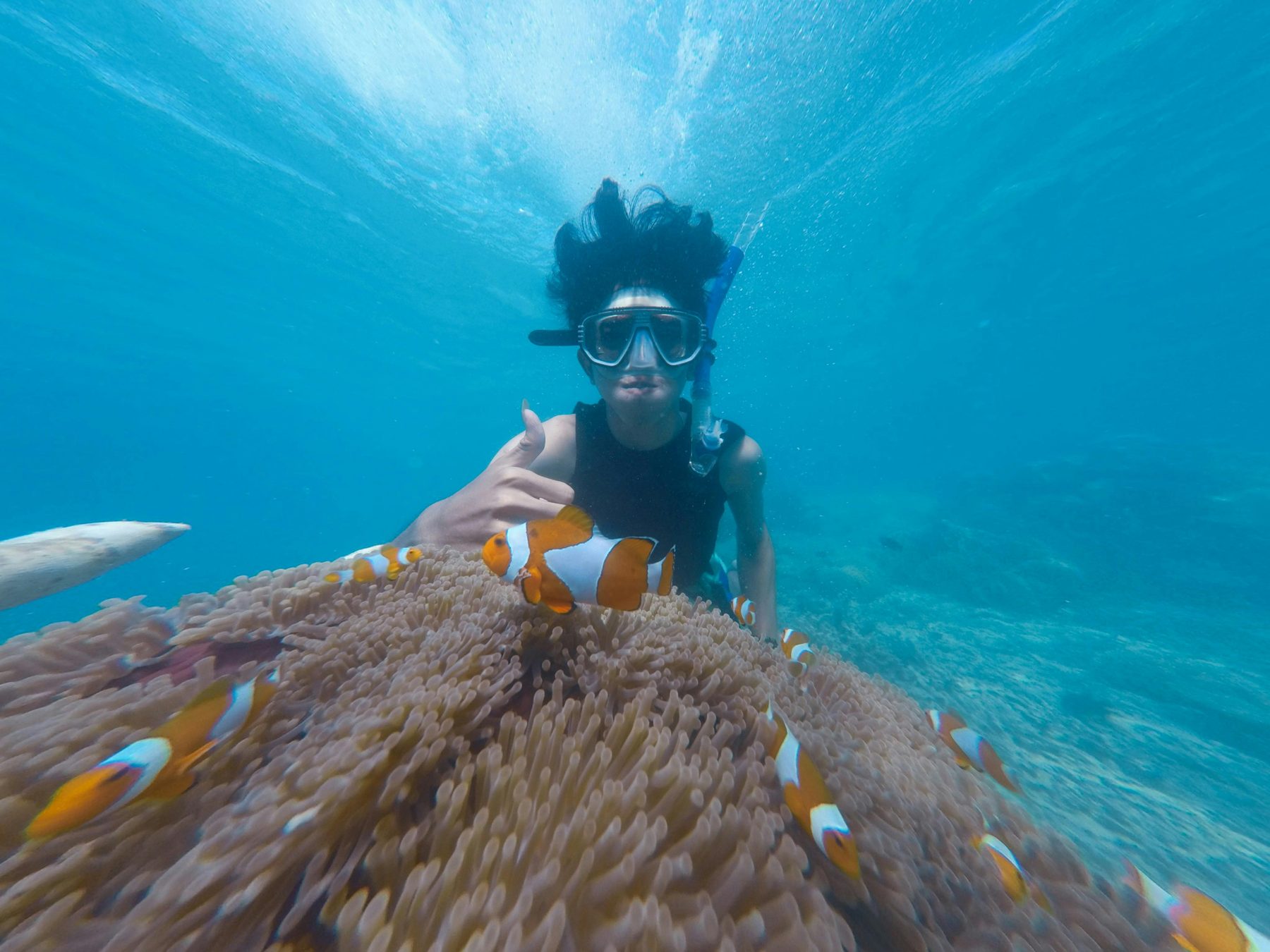
If snorkeling is important to your trip, bring a mask you have already tried. This matters particularly for children and anyone who needs prescription lenses. A snorkel, suitable fins, and a rash guard complete a straightforward setup. Ask about rental equipment ahead of time rather than assuming a specific size will be waiting. Our things to do overview can help you decide which activities deserve luggage space.
A dry bag is useful for splashes on a boat but should not be treated as a tested underwater phone case. Leave unnecessary valuables behind. Children need correctly fitted life jackets on boat trips; inflatable arm bands are not a substitute. Keep the amount you carry to the beach manageable, with drinking water and sun protection easier to reach than cameras or spare accessories.
Medication and a personal first-aid kit
Pack regular prescriptions in sufficient quantities, with a sensible reserve for delays. Keep them in your carry-on, ideally in original packaging, alongside a medication list and any necessary medical letter. Check current import rules for controlled medicines. If a medication needs refrigeration, discuss transport and storage with a qualified professional before booking activities or assuming a cooler bag will provide adequate temperature control.
A compact first-aid kit might include bandages, antiseptic, and medicines you already know are suitable for you. Discuss motion sickness remedies with a medical professional before a boat excursion, especially for children or during pregnancy. Insect repellent and supplies for minor scrapes are useful additions. This packing advice is not medical guidance and does not imply that a particular treatment or pharmacy stock is available locally.
Cash, cards, and charging devices
The Bahamian dollar is the local currency, and US dollars are also commonly accepted. Bring some small bills as well as cards, check foreign transaction fees, and tell your bank about travel if required. A second payment method provides useful backup. Do not make a remote day's plans depend entirely on finding a working ATM or on every small business accepting a particular card network.
Outlets generally use US plug types A and B, with power typically around 120 volts at 60 hertz. A plug adapter changes the connection, not the voltage. Read the label on each charger: many accept 100–240 volts, but not every appliance does. Equipment designed only for 230 volts needs an appropriate solution or should stay home. Pack charging cables and follow airline rules for carrying power banks and spare batteries.
Passports and the paperwork folder
Every traveler, including children, needs the appropriate travel documents. Check current passport validity, entry requirements, and any visa rules for your nationality using official sources. If you travel through the United States, check transit requirements too; a connection can still require advance authorization or a visa. Avoid relying on a generic passport-validity rule that may not match your circumstances, route, or citizenship.
Keep return or onward tickets, accommodation confirmation, insurance details, and your driver's license accessible. Children traveling with only one parent or another adult may need additional supporting documents. Store secure offline copies separately from originals, and write important contact numbers on paper. Before packing bulky household items, ask us about Villa Serenity through your inquiry. A short conversation beforehand is better than carrying equipment you will not use.
The final check at home
Lay out essentials once more before closing your suitcase. Check names on bookings, medication quantities, working chargers, and whether your mask fits comfortably. Leave your travel details with someone you trust. Packing thoughtfully does not mean preparing for every imaginable situation; it means taking care of the few things that would be difficult to replace, then arriving ready to enjoy the beach.
Frequently asked questions
Do I need a plug adapter?
Travelers with Swiss or many European plugs generally need a US type A/B adapter. US travelers usually do not. Always check device voltage separately because an adapter does not convert electricity.
Should I bring cash?
Yes. Small bills provide useful backup alongside cards. Acceptance and ATM availability vary, so split your payment options and avoid relying on a single source of money.
What belongs in my carry-on?
Your passport, essential medication, important documents, valuables, and some spare clothes and swimwear. Follow each airline’s rules on liquids, batteries, and carry-on size for every flight.
Stay right on the beach: Villa Serenity is the perfect home base. All things to do on Long Island
Newsletter
Travel tips and open dates – about 4 emails a year