Snorkeling at Cape Santa Maria: Reefs Right Off the Villa
By the Klainguti family ·
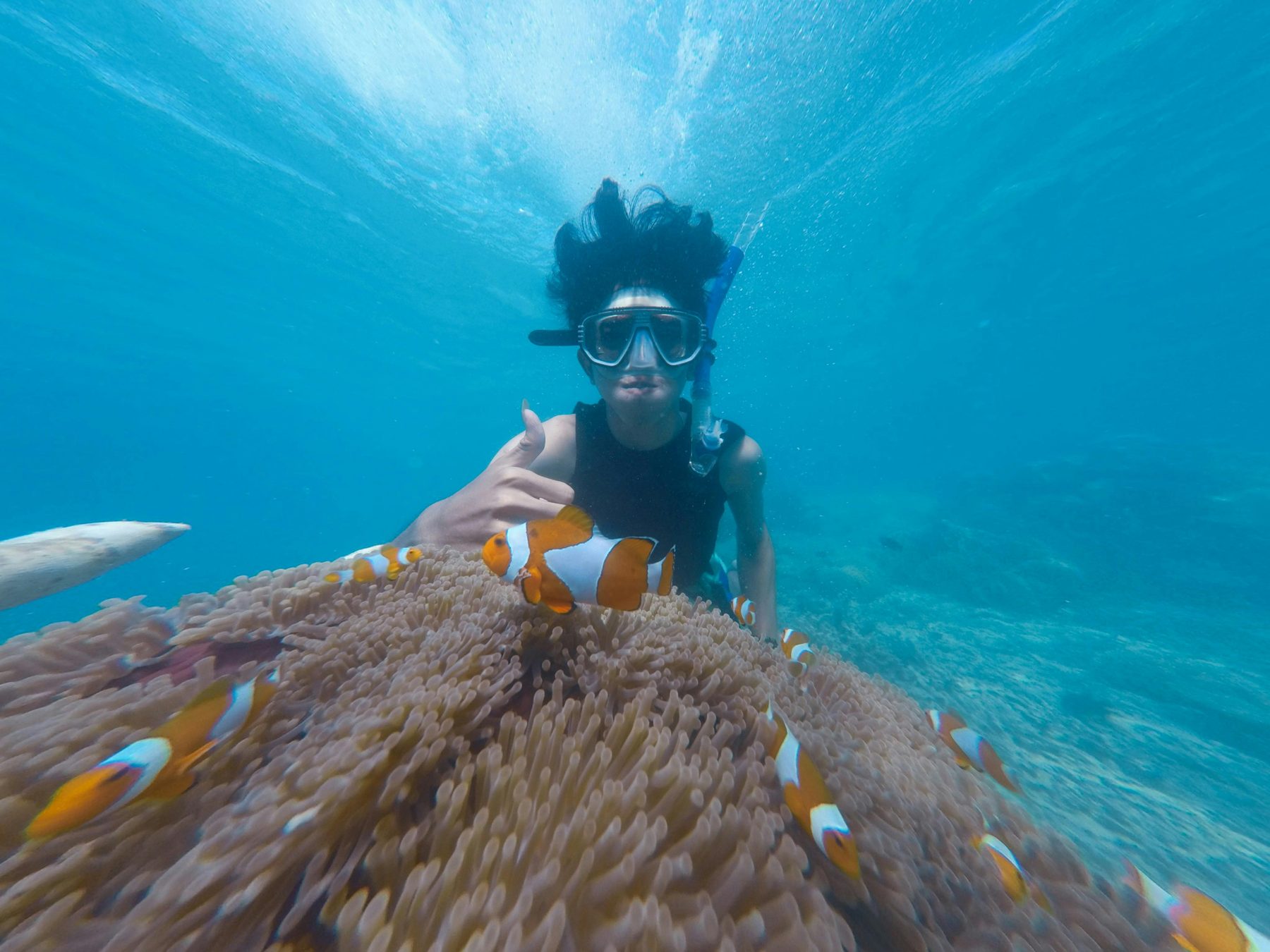
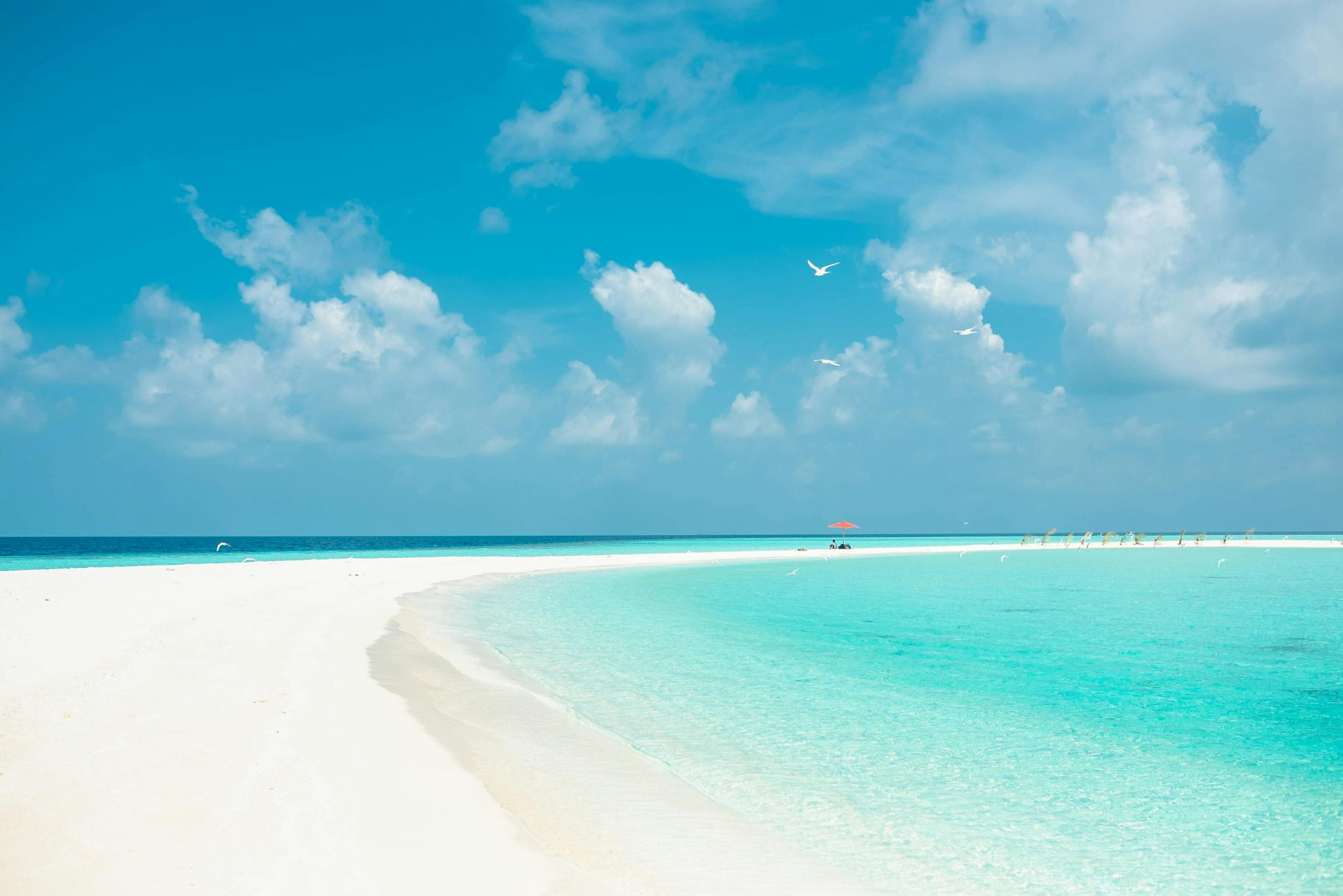
Mask on, a few steps across soft sand – and you're gliding over a pale sandy bottom, seagrass and the first coral heads. At Cape Santa Maria, the snorkeling adventure starts right at Villa Serenity's doorstep.
Why Cape Santa Maria is great for snorkeling
Galliot Cay bay at Cape Santa Maria is well sheltered thanks to its position on Long Island's northern tip. The water is usually calm, shallow and astonishingly clear. The sandy bottom reflects the sunlight and makes the sea glow in countless shades of turquoise – ideal conditions for exploring the underwater world.
The best part: you don't need a boat or a car. From the beach in front of Villa Serenity, you swim out and reach seagrass beds and scattered coral heads after a short distance. For families with kids it's unbeatable – you can take a break on the beach anytime and head back out whenever you like.
What you'll see underwater
The shallows off the beach are home to a surprising variety of life. Over the sand you'll often spot rays half-buried in the bottom and small schools of fish. Starfish, crabs and sometimes grazing sea turtles live in the seagrass beds. Around the coral heads you'll find blue tangs, parrotfish, sergeant majors and colorful wrasses.
Species you may spot at Cape Santa Maria
- Parrotfish nibbling on coral with their beak-like mouths
- Yellow and blue tangs swimming in small groups
- Southern stingrays, well camouflaged in the sand
- Starfish in the seagrass beds
- With a little luck: sea turtles and spotted eagle rays
Please note: we can't promise which animals you'll see on any given day. Nature keeps its own schedule – and that's exactly what makes every snorkel a new experience.
The best conditions
Snorkeling is at its best on calm days, ideally in the morning. The surface is glassy, visibility is at its peak and the sunlight shines straight down into the water. On windier days, visibility can drop and currents become more noticeable, so check the wind forecast the night before.
The tide matters too. At low tide some areas get very shallow – be careful not to touch the coral with your fins. At high tide there's more room above the coral heads, and many fish come closer to shore. To find out which season suits you best, read our travel guide article on the best time to visit.
Gear
A well-fitting mask is the most important piece of equipment. If you have your own, bring it; otherwise masks, snorkels and fins can be arranged on the island. Feel free to ask us ahead of time what you'll need.
- Mask and snorkel, ideally fitted to you
- Fins for longer swims
- A rash guard or T-shirt to prevent sunburn
- Reef-safe sunscreen without oxybenzone and octinoxate
- Life jacket or flotation aid for kids
- A waterproof camera for memories
Snorkeling safety
Even in calm water: never snorkel alone, and tell someone on shore where you're heading. Stay close to shore, especially when it's windy or you don't know the area yet. Kids should always be accompanied by an adult. Keep your distance from marine life and don't touch anything – some corals and creatures can irritate the skin.
Respect the reef
Coral reefs grow incredibly slowly and are fragile. Never stand on coral, don't take shells or starfish, and don't feed the fish. That way, future guests can enjoy this underwater world too.
Snorkeling by boat
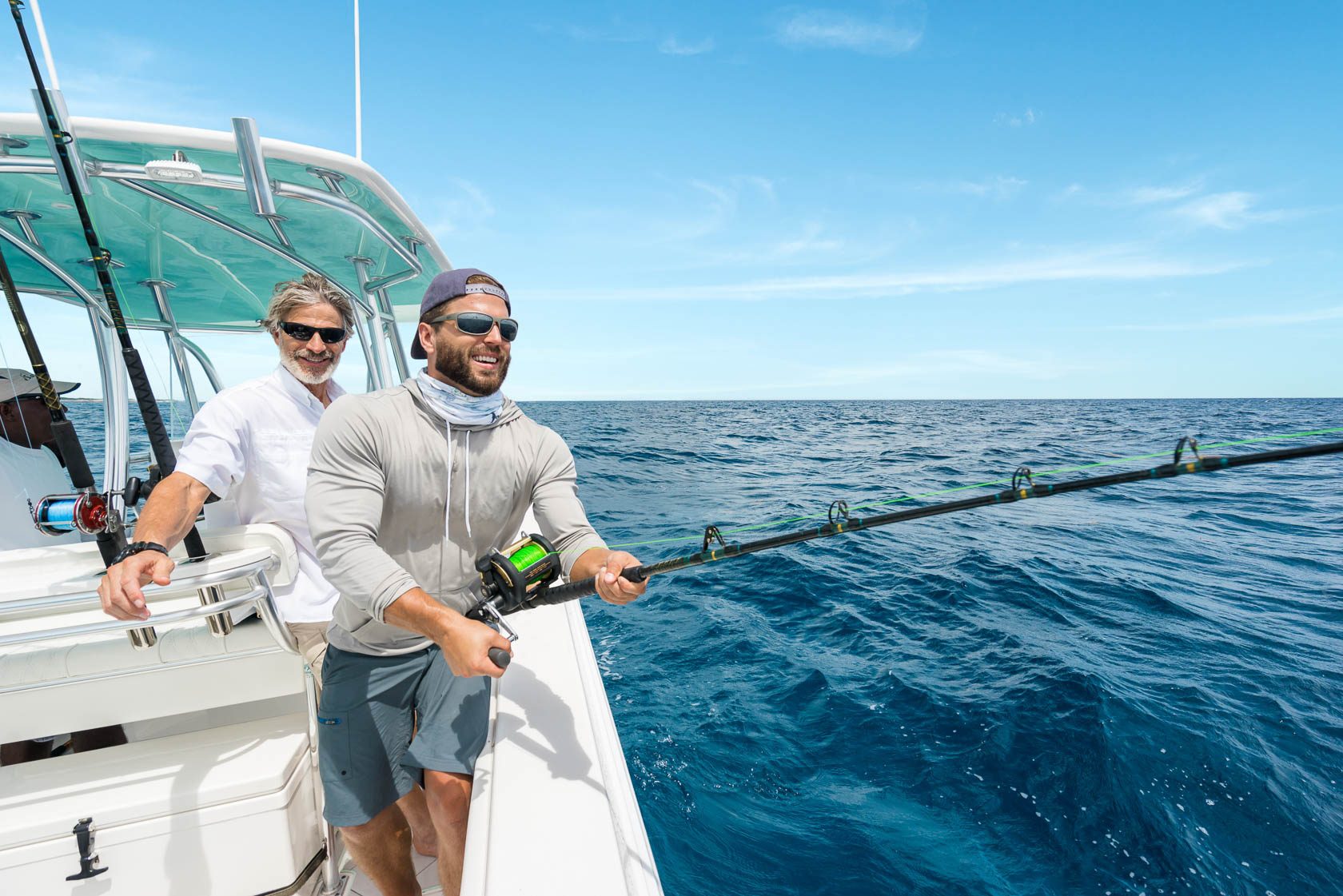
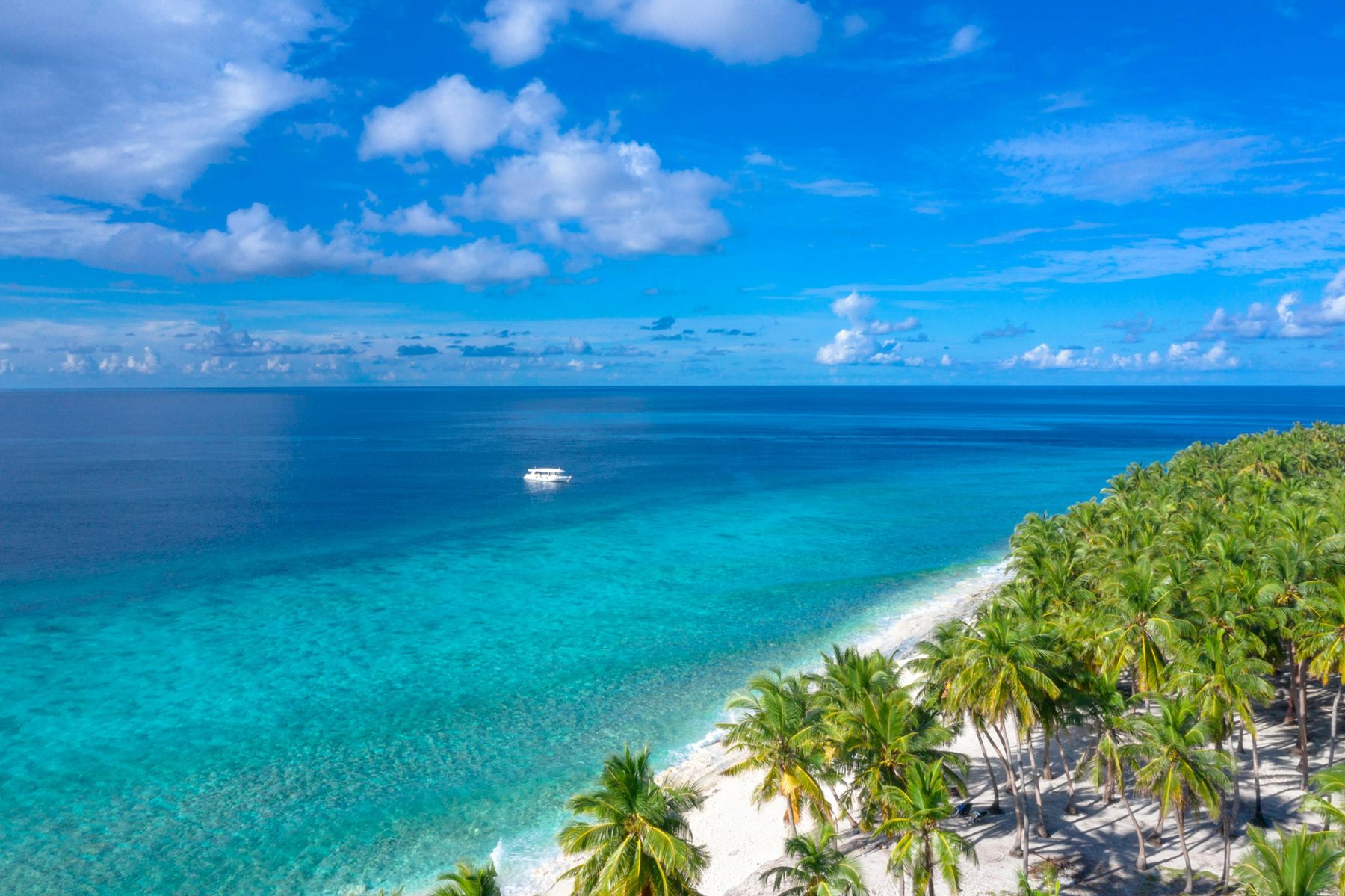
If you want to see even more, book a boat trip. Local operators head out to reefs farther offshore, to sandbars and to spots you can't reach from the beach. Trips can often be combined with fishing or a picnic on a deserted sandbar. Our concierge is happy to help you find the right tour.
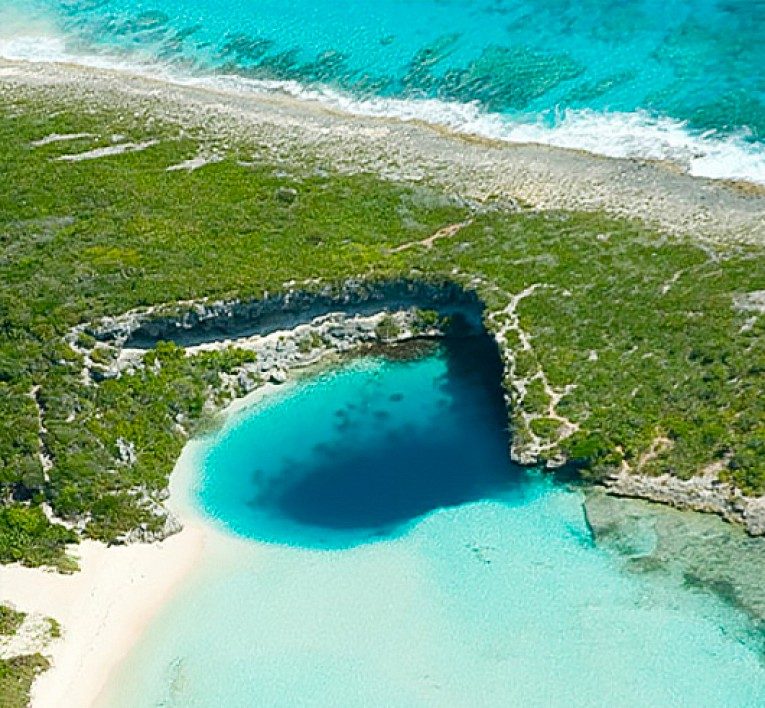
For a truly unique snorkeling experience, visit Dean's Blue Hole in the south of the island – read more in our Dean's Blue Hole visitor guide.
Snorkeling with kids
The bay in front of the villa is a perfect place for kids to learn to snorkel. Start in knee-deep water where little ones can stand, and let them simply look through the mask at first. Once they feel confident, add the snorkel and fins. Short outings of ten to fifteen minutes work better than long swims in the beginning. A life jacket adds confidence, and a waterproof fish ID card turns every swim into a mini expedition.
After your snorkel
After a morning in the water, the porch at Villa Serenity is the perfect place to rest, enjoy a cold drink and share what you saw. And in the afternoon? Maybe one more swim when the light turns golden. Find more ideas for your stay in our overview of things to do on Long Island.
Frequently asked questions
Can you snorkel right in front of Villa Serenity?
Yes. From the beach in front of the villa you can swim out to seagrass beds and scattered coral heads in the shallow, usually calm water of Galliot Cay bay.
Do I need to bring my own snorkel gear?
Your own well-fitting mask is ideal, but gear can also be arranged on the island – just let us know before you arrive.
Is snorkeling at Cape Santa Maria good for kids?
Yes, the shallow and usually calm water is great for kids. They should always be accompanied by an adult and wear a flotation aid.
Stay right on the beach: Villa Serenity is the perfect home base. All things to do on Long Island
Newsletter
Travel tips and open dates – about 4 emails a year