Dean's Blue Hole, Long Island Bahamas – Visitor Guide
By the Klainguti family ·
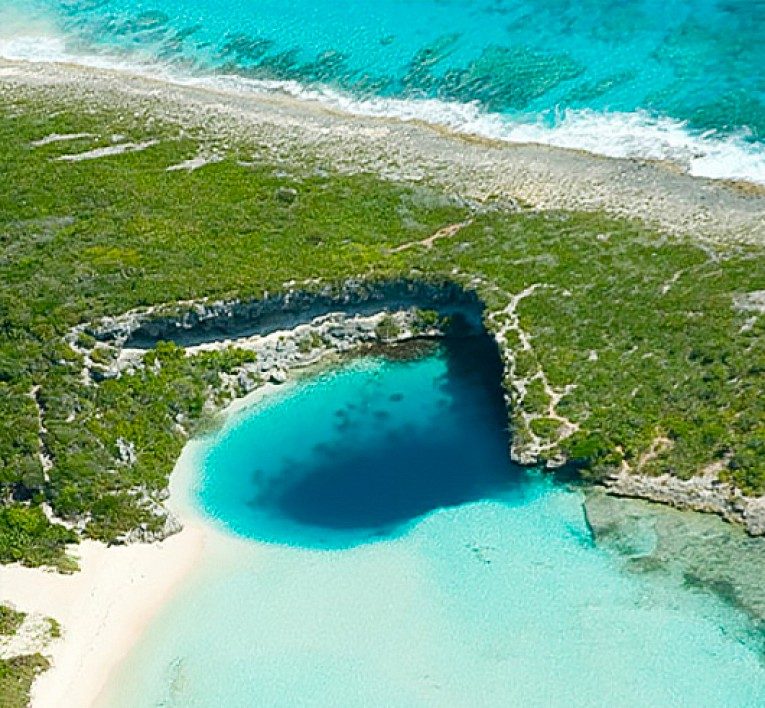
A dark blue circle in a turquoise lagoon, framed by limestone cliffs and a small sandy beach: Dean's Blue Hole is Long Island's most famous natural wonder – and a rewarding day trip from Villa Serenity.
What is Dean's Blue Hole?
Blue holes are underwater sinkholes that formed during the last ice ages, when sea levels were far lower than today. Rainwater slowly dissolved the limestone and carved out caves. When their ceilings collapsed and the sea rose again, the vertical, deep-blue shafts you see across the Bahamas were born.
Dean's Blue Hole, on Long Island's east coast just west of Clarence Town, is roughly 660 feet (about 200 meters) deep, making it one of the deepest known blue holes in the world. What makes it unique is its setting: rather than lying far offshore, it sits right inside a sheltered bay. Just a few yards from the beach, the pale sandy bottom drops away into deep blue – a sight that impresses even seasoned divers.
Getting there from Villa Serenity
From Cape Santa Maria at the island's northern tip, head south on the Queen's Highway. The road winds past small settlements, churches and salt ponds; it's paved but curvy, and narrow in places. Allow roughly 1.5 hours each way – and a little extra so you can stop along the way.
Shortly before Clarence Town, a sign points the way to Dean's Blue Hole. A short side road leads to a simple parking area near the beach. There are hardly any facilities, so bring water, snacks, sun protection and some shade. A rental car is essential for this trip – see our page on location and getting there.
Our tip for planning the day
- Leave early: the light over the water is at its best in the late morning, and it's usually quieter.
- Combine your visit with Clarence Town: Father Jerome's two churches are only minutes away.
- On the way back, stop at one of the beaches along the west coast.
Snorkeling and swimming
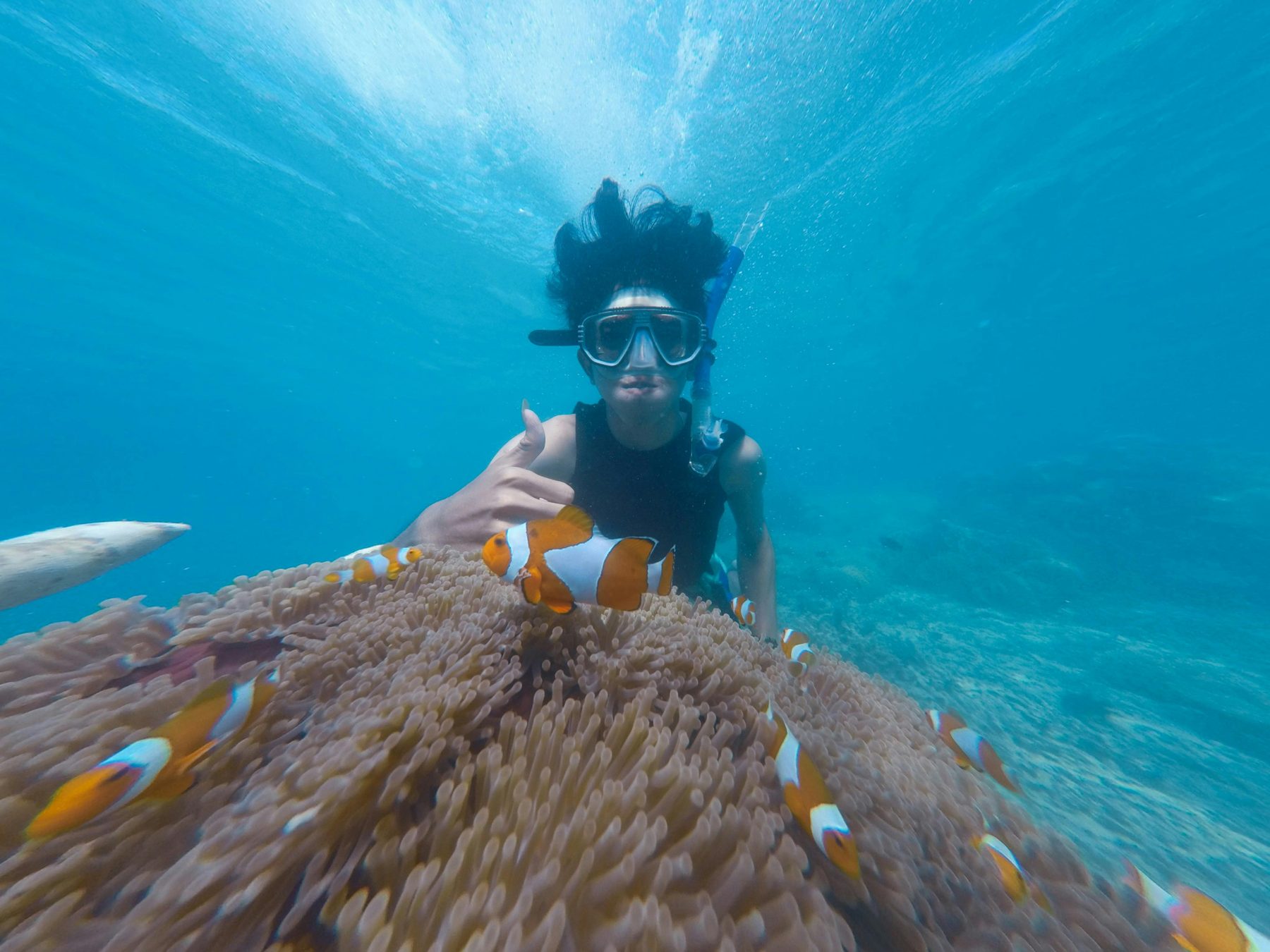
For most visitors, snorkeling is the best way to experience Dean's Blue Hole. From the small beach you swim over shallow, bright water to the edge of the shaft. Where the bottom suddenly disappears, you look down into what seems like endless blue. Small reef fish live along the rocky walls and the rim, and with a little luck you might spot a sea turtle.
The edge of the hole isn't roped off, and there are no lifeguards. Never swim alone, stay within your comfort zone and bring life jackets for kids. When wind and waves come from the east, the bay can get choppy – in that case, try again another day.
Freediving: where world records are set
Dean's Blue Hole is world-famous among freedivers. Because the shaft is nearly vertical and sheltered from currents and waves, it offers ideal conditions for deep dives on a single breath. For many years it has hosted the international Vertical Blue competition, where numerous world records have been set. During competitions, a platform is anchored above the hole.
Freediving is fascinating but demanding. Never attempt deep dives without proper training and experienced safety partners. If you're seriously interested, ask about courses on the island – our concierge is happy to help you find a suitable provider.
The beach and the cliffs
Beyond the water itself, the setting is what makes Dean's Blue Hole special. The little beach sits in a natural amphitheater of dark, weathered limestone. Bold visitors jump from the rocks into the water, but only do so where you know the depth for certain. If you prefer something calmer, stretch out on the sand, watch the colors of the water change and enjoy the quiet.
What to bring
- Snorkel gear and fins if you have them
- Reef-safe sunscreen, a hat and a rash guard or T-shirt for the water
- Water shoes for the sharp rocks
- Plenty of drinking water and a light lunch
- A waterproof phone pouch
When to go
You can visit Dean's Blue Hole year-round. The colors are most vivid when the sun is high and the sky is clear, roughly from late morning to early afternoon. An east wind can stir up the bay, so check the forecast the evening before. For more on climate and seasons, see our travel guide article on the best time to visit.
Visit responsibly
Dean's Blue Hole is a fragile place. Please take all your trash with you, don't touch coral or marine life, and use reef-safe sunscreen. The fewer traces visitors leave, the longer this spot will stay as breathtaking as it is today.
After a day in the south of the island, coming back to Cape Santa Maria is a special moment: the sun sinks low over Galliot Cay bay and the porch at Villa Serenity is waiting. Find more ideas for your stay in our overview of things to do on Long Island.
Frequently asked questions
How deep is Dean's Blue Hole?
Dean's Blue Hole is roughly 660 feet (about 200 meters) deep, making it one of the deepest known blue holes in the world. Near the beach the water is only a few feet deep before the bottom drops away.
Can you snorkel at Dean's Blue Hole if you're not a diver?
Yes. You can swim from the beach over shallow water to the edge of the hole. Snorkeling is easy for confident swimmers, but there are no lifeguards, so never go in alone.
How long is the drive from Villa Serenity to Dean's Blue Hole?
By rental car it's about 1.5 hours each way via the Queen's Highway. Plan a full day and combine the trip with a visit to Clarence Town.
Stay right on the beach: Villa Serenity is the perfect home base. All things to do on Long Island
Newsletter
Travel tips and open dates – about 4 emails a year