Bonefishing on Long Island: Flats, Guides & Season
By the Klainguti family ·
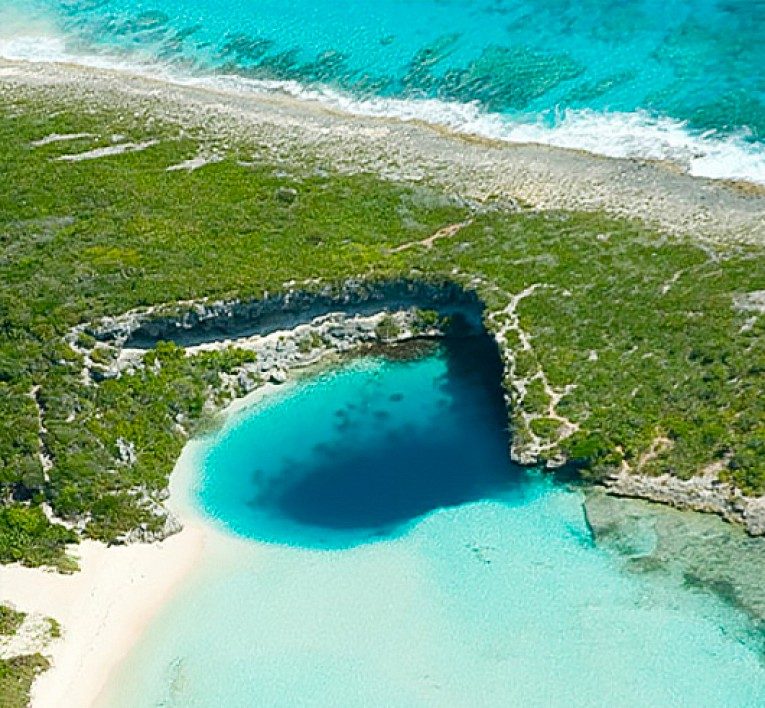
Miles of knee-deep flats, crystal-clear water and hardly another boat in sight: among fly fishers, Long Island is known as one of the quietest bonefishing spots in the Bahamas. Here's what you should know before your day on the water.
Why Long Island for bonefishing?
The bonefish is one of the most sought-after fly-fishing species in the world. It feeds in shallow sandy or grassy water, it's skittish and lightning fast, and once hooked it fights with astonishing power. Anyone who has watched a bonefish strip dozens of yards of line off the reel after the hookset understands the fascination.
Long Island sits on the edge of the Great Bahama Bank. Along the sheltered west side of the island lie wide flats, mangroves and lagoons, while on the east side the Atlantic drops off into deep water. That combination makes the island incredibly versatile for anglers: bonefishing on the flats, reef and bottom fishing near shore, and deep-sea fishing offshore are all within reach.
The biggest draw, though, is the solitude. Long Island sees far fewer visitors than well-known fishing destinations such as Andros or the Abacos. On many flats, it's just you, the wind, the water and the fish.
The flats around Cape Santa Maria
Even close to Villa Serenity there are shallow bays and sandbars where bonefish come up to feed when the tide is right. Other well-known areas lie along the west coast and in the lagoons farther south. Which flats are best on a given day depends heavily on the tide, the wind and the light – exactly where a local guide's knowledge makes all the difference.
Wade fishing or from a boat
Many flats can be fished on foot. Wading is quiet, simple and wonderfully low-key. A flats skiff, on the other hand, gets you to remote areas you can't reach by land and lets you move quickly when conditions change. Many anglers combine both in a single day.
Guided or on your own?
Experienced fly fishers can fish Long Island on their own. For most guests, though, at least one day with a local guide is well worth it. Good guides know the tides, know where the fish hold in each season and have a trained eye for the silvery shadows in the water – something that's nearly impossible for beginners to spot at first.
Half-day and full-day trips are common, and gear is often available to rent. We deliberately don't name specific outfitters because offerings change, but our concierge is happy to connect you with experienced guides on the island and coordinate the date with your stay at Villa Serenity.
The right gear
- 7- or 8-weight fly rod with a saltwater reel and plenty of backing
- Floating line and a leader of about 10 to 12 feet
- Small, light-colored flies in shrimp and crab patterns
- Polarized sunglasses – without them you'll barely see the fish
- A wide-brimmed hat, a buff and long-sleeve UV clothing
- Wading boots with a firm sole for coral and shell bottoms
If you don't fly fish, you can also target bonefish with a light spinning rod and small jigs. Ask your guide which method works best on the day.
The best season
Bonefish can be caught on Long Island year-round. Many anglers especially like spring and fall: the water is pleasantly warm, the fish are active and the weather is usually settled. In midsummer the water on the flats can get very warm, and the fish retreat to deeper water around midday. In winter, cold fronts can disrupt conditions for a few days.
Often the time of day matters more than the month. Early in the morning and on a rising tide, bonefish move onto the flats to hunt for crabs and shrimp. For an overview of climate and hurricane season, see our travel guide article on the best time to visit the Bahamas.
Catch-and-release and regulations
Bonefishing in the Bahamas is traditionally catch-and-release. Bonefish aren't kept – they're landed gently and released right away. Use barbless hooks, keep the fish in the water as much as possible and keep photos brief.
A fishing license is required for fly fishing on the flats in the Bahamas. Good guides take care of it or explain how to get one. Please check the current regulations before your trip.
More than bonefish
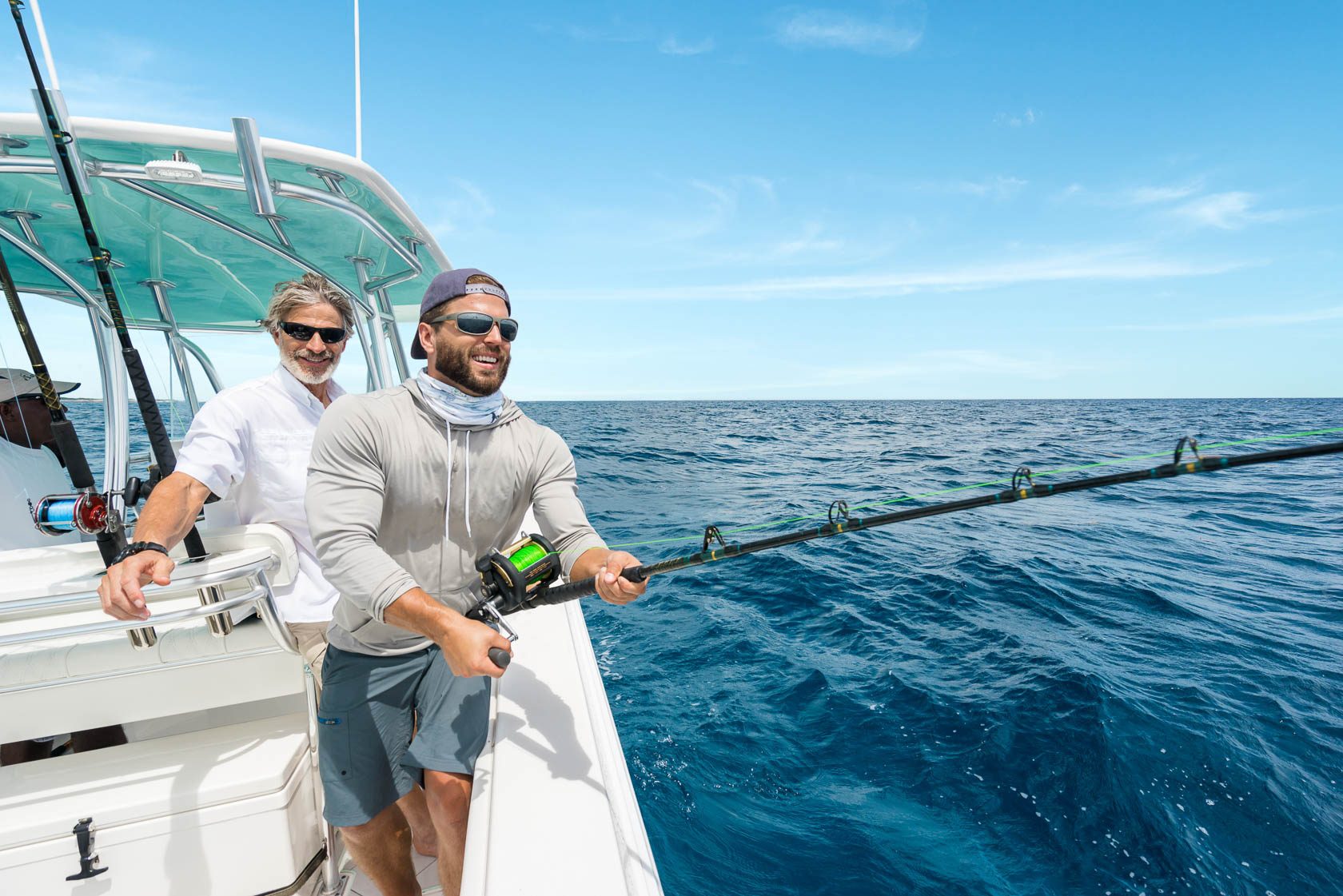
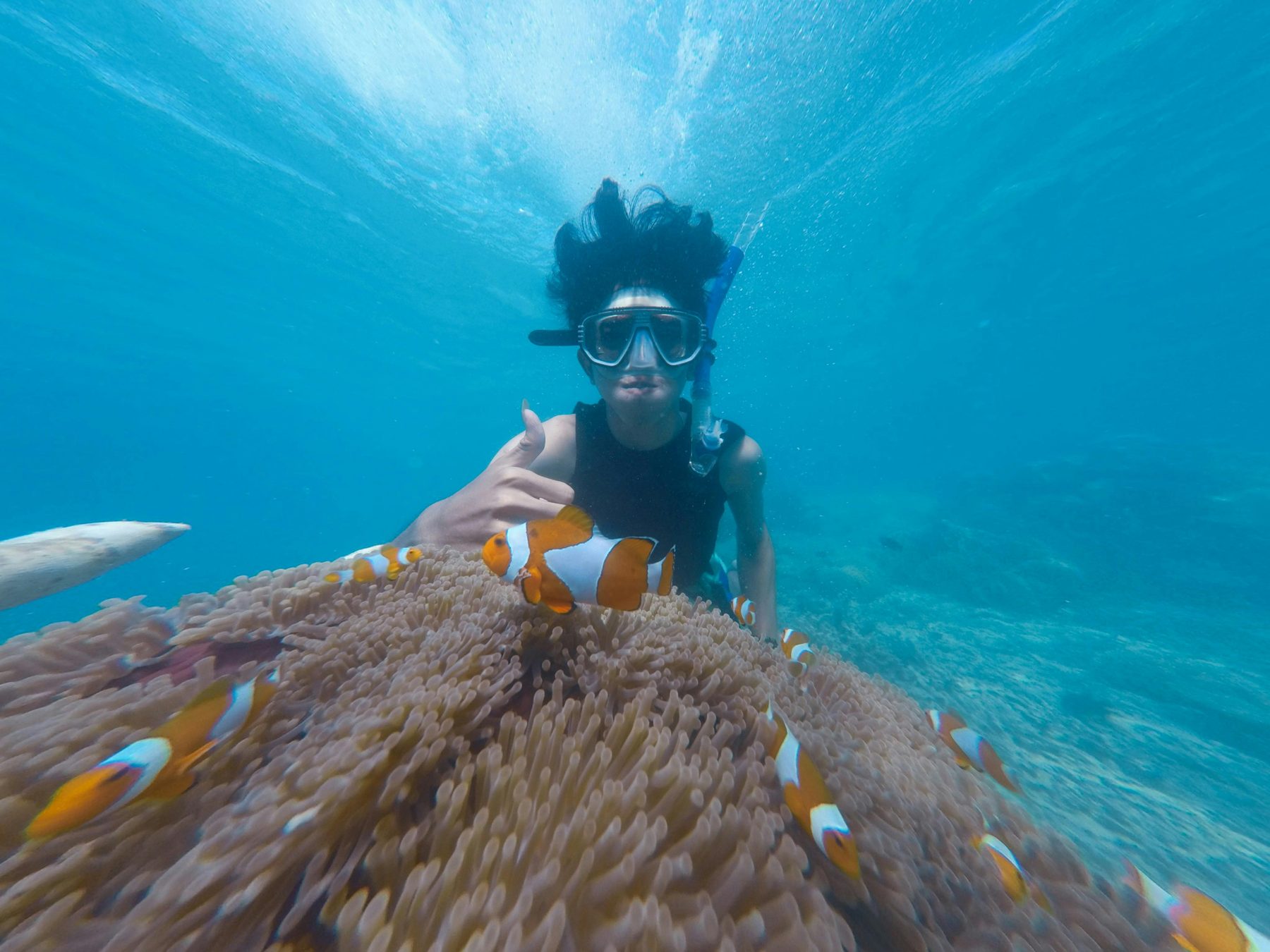
When you've had your fill of stalking the flats, Long Island offers more angling adventures: reef and bottom fishing for snapper and grouper, or deep-sea fishing for mahi-mahi, wahoo and tuna off the east coast. For families, a half-day boat trip with a snorkel stop is often the perfect combination – read more in our travel guide article on snorkeling at Cape Santa Maria.
After a day on the water, the villa's porch is the perfect place to swap fish stories. Find more ideas in our overview of things to do on Long Island.
Frequently asked questions
Do I need a guide for bonefishing on Long Island?
It's not required, but it's highly recommended – especially for beginners. Local guides know the tides and flats and spot fish in the water much faster.
When is the best time for bonefishing in the Bahamas?
Bonefish can be caught year-round. Spring and fall are especially pleasant; the tide and time of day usually matter most, ideally early morning on a rising tide.
Can you keep bonefish?
Bonefishing in the Bahamas is catch-and-release. Fish are landed gently and released immediately. A license is required for fly fishing on the flats.
Stay right on the beach: Villa Serenity is the perfect home base. All things to do on Long Island
Newsletter
Travel tips and open dates – about 4 emails a year